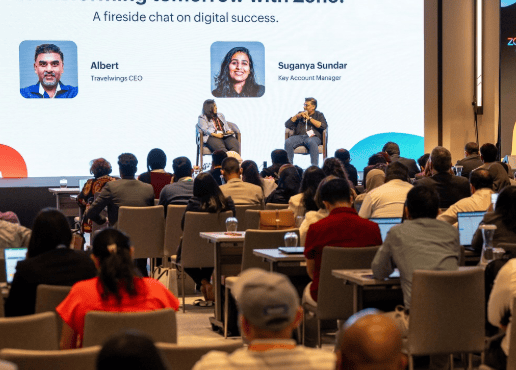
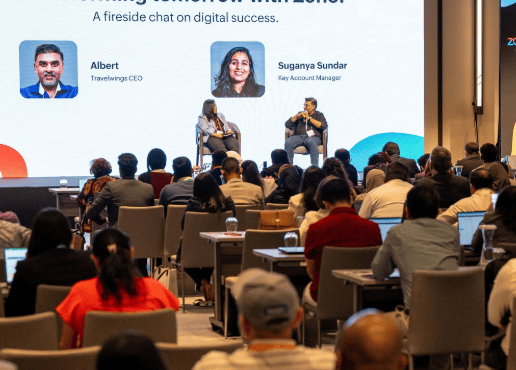
The latest iteration of Zoholics in 2026, with the event's 2026 edition in Dubai in January and now with the upcoming Zoholics in USA, is positioned as a massive leap ahead for the global enterprise software landscape, signaling a definitive shift from traditional SaaS models toward "Holistic Autonomous Systems". For partners like Erphub, the core takeaway from the keynote in Dubai has been the maturity of Zoho’s sovereign cloud infrastructure, which now leverages specialized generative AI models tailored specifically for mid-market operational efficiency. More is expected to follow at Zoholics USA 2026. Unlike the generalized AI trends of previous years, Zoholics 2026 in Dubai introduced Zia 2.0, an omnipresent intelligence layer that transitions from reactive assistance to proactive workflow orchestration. This development was particularly critical for businesses looking to mitigate the rising costs of human capital by automating complex decision-making cycles within Zoho CRM and Zoho Books. By integrating deep-learning protocols directly into the data layer, Zoho has effectively eliminated the "integration tax" that typically plagues multi-vendor environments, positioning its Unified Platform as the primary contender against legacy giants.
Strategic Impact Assessment: Feature Evolution
Focus Area | Key Development | Business Utility |
Data Sovereignty | Localized Data Residency Nodes | Compliance with evolving GDPR and CCPA standards. |
Automation | Neural Workflow Engines | Reduction of manual data entry by an estimated 70% via Zia 2.0. |
CX Strategy | Unified Omni-channel Orchestrator | Seamless transition between sales, support, and marketing touchpoints. |
FinOps | Predictive Cash-Flow Analytics | Real-time liquidity forecasting based on macroeconomic trends. |
The evolution of Zoho’s "Operating System for Business" has reached a stage where vertical-specific customization is no longer a luxury but a native capability. At Zoholics 2026, the unveiling of Industry-Specific Blueprints for manufacturing, healthcare, and professional services signifies a move toward "Low-Code, No-Code" environments that require minimal technical debt. For ERPHub clients, this means a significantly reduced Time-to-Value (TTV) during the implementation phase. These blueprints are not merely templates but are dynamic frameworks that incorporate ISO/IEC 27001 security standards and industry-specific compliance logic out of the box. The focus has shifted toward Hyper-Personalization at Scale, where Zoho Marketing Automation now utilizes real-time behavioral telemetry to adjust customer journeys dynamically. This multi-dimensional approach ensures that businesses are not just collecting data but are transforming it into actionable capital, fostering a culture of "Predictive Governance" rather than "Reactive Management."
Architectural Comparison: Legacy vs. 2026 Zoho Ecosystem
Legacy Systems: Siloed databases, high API maintenance, reactive reporting, and fragmented user interfaces.
Zoho 2026 (Zoholics Vision): Unified Data Lake (Canvas), zero-maintenance automated pipelines, proactive AI insights, and a singular "Glass Box" interface for all business functions.
Economic Advantage: Significant reduction in Total Cost of Ownership (TCO) by consolidating up to 45 different business applications into a single subscription model through Zoho One.
A pivotal development highlighted during the sessions was the decentralization of business intelligence through the Zoho Analytics 6.0 upgrade. This version introduces "Contextual Correlation," a feature that allows business owners to cross-reference internal performance metrics with external World Bank economic indicators and market volatility indices. This level of analysis was previously reserved for Fortune 500 companies with dedicated data science teams; however, Zoholics 2026 has democratized this power. ERPHub emphasizes that the utility of this development lies in its ability to perform "Stress-Test Simulations." For instance, a logistics firm can now simulate the impact of a 15% increase in fuel costs across their entire supply chain in Zoho Inventory, receiving immediate suggestions for price adjustments or vendor pivots. This proactive posture is essential for maintaining margins in an era of global supply chain instability and shifting consumer confidence.
Furthermore, the emphasis on Environmental, Social, and Governance (ESG) reporting within the Zoho Finance Suite marks a new era of corporate responsibility. As global regulators move toward mandatory sustainability disclosures, such as those outlined by the Sustainability Accounting Standards Board (SASB), Zoho has integrated carbon footprint tracking and ethical sourcing audits directly into the procurement module. This ensures that ERPHub’s clients are not only profitable but also compliant with the high-transparency requirements of modern investors. The synergy between AI-driven efficiency and ethical reporting creates a "Trust-Based Growth" model. By leveraging these novel coverage areas—ranging from neural automation to ESG compliance—businesses can transcend the traditional limitations of an ERP, turning their operational software into a strategic asset that drives long-term brand equity and resilient market positioning. With an initial glimpse of what is to follow in 2026, having been briefly showcased over Zoholics Dubai this year, the upcoming version of Zoholics 2026 in USA has an incredible range of new features, updates and a lot more in store for businesses across USA.